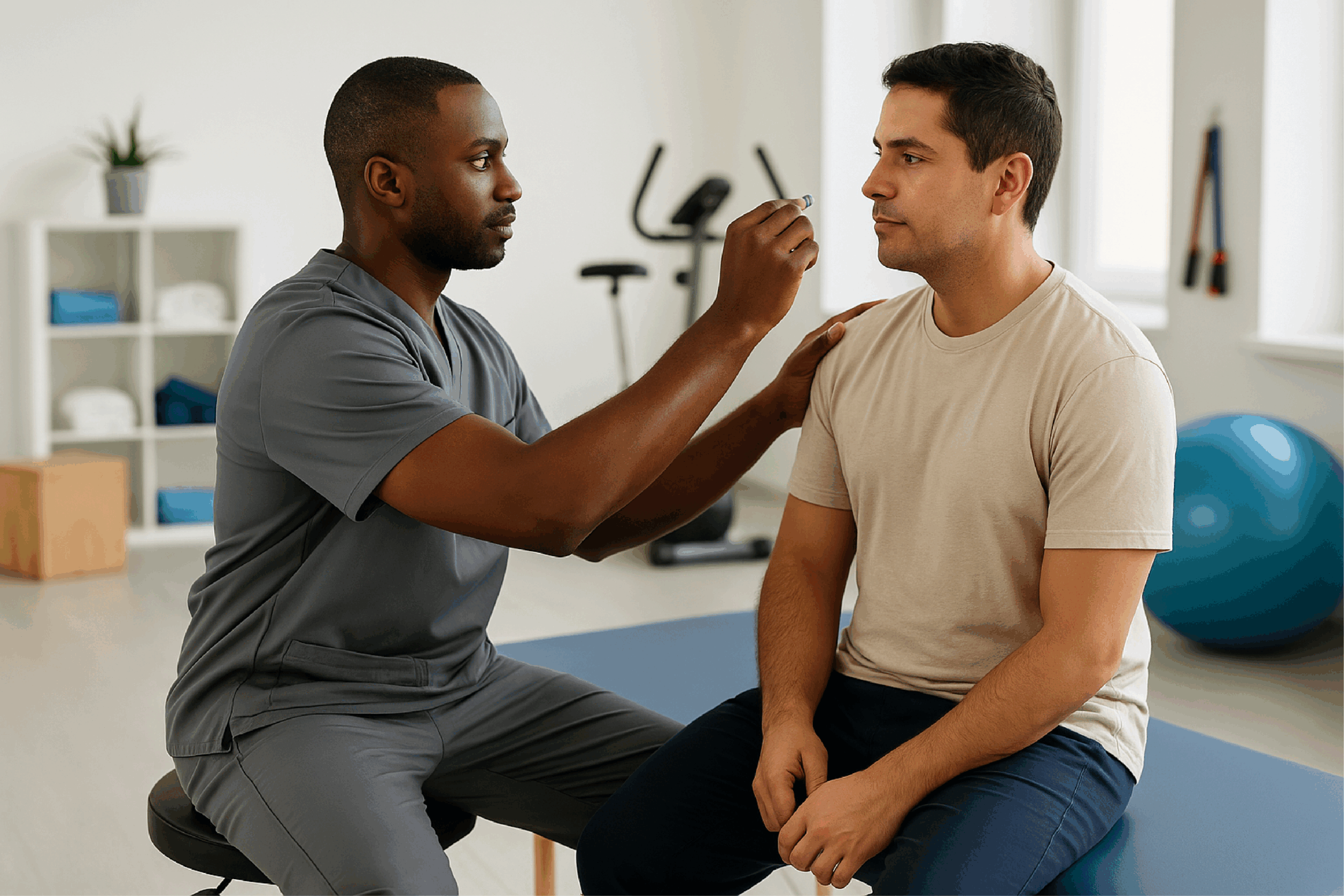
Vestibular Therapy in Atlanta
Find the Best Vestibular Therapy Near You
Trusted Vestibular Rehabilitation in Atlanta
Vertigo, dizziness, and balance problems have a way of shrinking your world: driving feels risky, grocery aisles spin, and every quick head turn becomes something to brace for. Motion Rehab provides vestibular therapy at clinics across metro Atlanta, delivered by physical therapists with advanced training in vestibular rehabilitation. Treatment retrains the partnership between your inner ear, eyes, and brain so steady stops being something you have to think about.
Few outpatient clinics in metro Atlanta offer vestibular rehabilitation at all, which is why patients often drive past three PT practices to find one. We built it into neighborhood clinics instead. When the dizziness started with a car accident or a concussion, both problems move on one plan rather than two, and our integrated network puts a neurologist within reach when a case calls for one.
Meet Motion Rehab’s Vestibular Therapy Team
Vestibular rehabilitation is its own discipline within physical therapy, and the clinicians who deliver it at Motion Rehab carry advanced training in the assessment and treatment techniques the specialty demands:
- Positional vertigo treatment, including canalith repositioning for BPPV
- Gaze stabilization and eye-movement retraining after inner ear disorders
- Post-concussion dizziness, where vestibular and brain recovery overlap
- Balance and fall-prevention programs for patients who no longer trust their footing

Dili Divakaran
Physical Therapist
Dili Divakaran is a Licensed Physical Therapist with more than 15 years of experience providing compassionate, evidence-based care across outpatient, orthopedic, geriatric, and home health settings. She is dedicated to helping patients recover from injury, restore function, and improve their quality of life through personalized treatment plans tailored to their individual goals. Dili combines extensive clinical expertise with a patient-centered approach, treating a wide range of conditions including motor vehicle accident injuries, workers' compensation cases, post-surgical rehabilitation, vestibular disorders, and concussions. Her experience in dry needling, balance and fall prevention, and multidisciplinary collaboration reflects her commitment to delivering comprehensive, high-quality care and achieving the best possible outcomes for every patient.
Education
Bachelor’s Degree, Physical Therapy | Mahatma Gandhi University, School of Medical Education
Certifications
Dry Needling DN-C
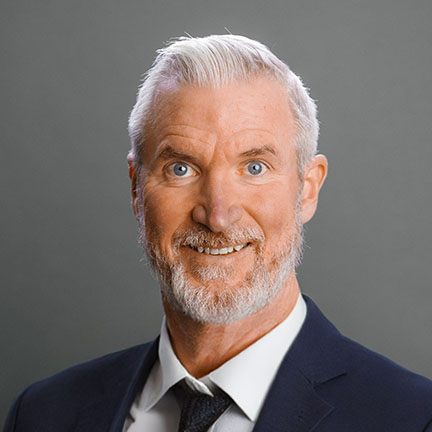
Mark Carter
Physical Therapist Assistant
Mark Carter is a Licensed Physical Therapist Assistant dedicated to providing high-quality, patient-centered care that promotes recovery, mobility, and independence. With hands-on clinical experience and a strong commitment to excellence, Mark supports each patient’s journey toward improved strength and function through evidence-based treatment and compassionate guidance. Known for his teamwork and attention to detail, Mark collaborates closely with physical therapists to ensure continuity of care and optimal outcomes. His dedication to patient success and passion for rehabilitation make him a valued member of the clinical team.
Education
Associate of Applied Science in Physical Therapist Assistant | Chattahoochee Technical College
Certifications
Licensed Physical Therapist Assistant
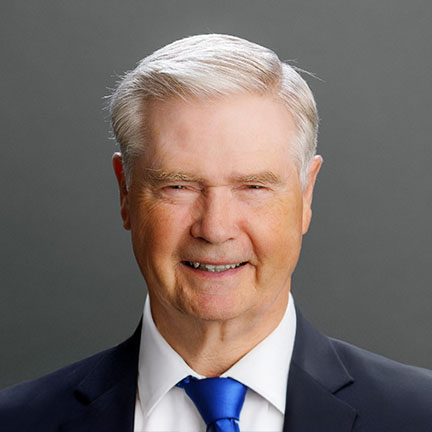
Art Peddle
Physical Therapist
Art Peddle is a Licensed Physical Therapist committed to helping patients achieve optimal movement, function, and independence through compassionate, evidence-based care. With a strong foundation in physical therapy, Art focuses on restoring mobility, reducing pain, and enhancing overall quality of life for every patient he serves. Throughout his career, Art has worked with a wide range of patient populations, developing personalized treatment plans that promote recovery and long-term results. His hands-on approach, clinical expertise, and dedication to individualized care reflect his commitment to professional excellence and outstanding patient outcomes.
Education
Bachelor of Science in Physical Therapy | Georgia State University Bachelor of Arts in Psychology | David Lipscomb University Associate of Arts and Science | Rochester College
Certifications
Licensed Physical Therapist

Anna Haley
Physical Therapist
Anna Haley is a Licensed Physical Therapist passionate about helping patients restore movement, reduce pain, and regain confidence in their physical abilities. She is committed to delivering personalized, evidence-based care that supports long-term recovery and empowers patients to take an active role in their health. With advanced clinical training and a strong foundation in orthopedic and neurological rehabilitation, Anna combines compassion and precision in her practice. Her patient-centered approach ensures every individual receives comprehensive care designed to achieve meaningful outcomes and improve quality of life.
Education
Doctor of Physical Therapy | High Honors | Philadelphia College of Osteopathic Medicine | May 2022 Bachelor of Arts in Health and Human Kinetics | Ohio Wesleyan University | May 2018
Certifications
Licensed Doctor of Physical Therapy

Nia Evans
Physical Therapist
Nia Evans is a Licensed Physical Therapist and certified Respiratory Therapist with extensive experience providing exceptional, patient-focused care. She is dedicated to helping individuals recover from injury, improve mobility, and enhance their overall quality of life. With advanced training and certifications in BLS (Basic Life Support), ACLS (Advanced Cardiovascular Life Support), PALS (Pediatric Advanced Life Support), and NRP (Neonatal Resuscitation Program), Nia brings a deep understanding of cardiopulmonary and physical rehabilitation to her practice. Her evidence-based approach and commitment to compassionate care ensure that each patient receives personalized treatment to achieve the best possible outcomes.
Education
Doctor of Physical Therapy | New York University Bachelor of Science in Cardiopulmonary Science / Respiratory Therapy | Georgia State University Associate of Arts in General Studies / Pre-Physical Therapy | University of North Florida
Certifications
Licensed Doctor of Physical Therapy Dry Needling Certified DN-C Certified Vestibular Therapist

Glendora Hurst
Physical Therapist
Glendora Hurst is a Licensed Physical Therapist with many years of experience providing high-quality, individualized care. She is dedicated to helping patients restore movement, reduce pain, and achieve their optimal level of function through evidence-based, compassionate treatment. Glendora combines clinical expertise with a patient-first mindset, guiding individuals through recovery with personalized rehabilitation plans designed to meet their specific needs and goals. Her background as an APTA Clinical Instructor (2016) and advanced certification in Dry Needling (2016) reflect her commitment to professional growth and clinical excellence.
Education
Doctor of Physical Therapy | University of Montana, Missoula Bachelor of Science in Physical Therapy, Cum Laude | Howard University, Washington, D.C. Bachelor of Science in Natural Sciences, Magna Cum Laude | Oakwood University, Huntsville, Alabama
Certifications
Licensed Doctor of Physical Therapy APTA Clinical Instructor Dry Needling DN-C BLS
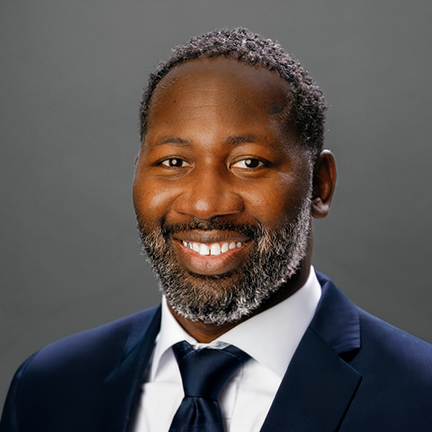
Angelo Goshen
Athletic Trainer Certified
Angelo Goshen is a Certified Athletic Trainer (ATC) with extensive experience in sports injury prevention and rehabilitation. He is dedicated to helping patients and athletes recover safely and build long-term strength and mobility through personalized care. With a strong background in Sports Administration and Athletic Training, he combines clinical expertise with a deep understanding of movement and performance. Angelo takes a collaborative, patient-centered approach, ensuring each treatment plan supports both physical recovery and overall well-being.
Education
Masters, Sports Administration | Henderson State University Bachelor of Science Athletic Training/Trainer | Henderson State University
Certifications
Certified Athletic Trainer

Andrienne Terrell
Athletic Trainer Certified
Andrienne Terrell is a Certified Athletic Trainer (ATC) dedicated to helping patients and athletes prevent injury, enhance performance, and recover safely. With a strong foundation in athletic training and advanced education in business administration and healthcare management, Andrienne brings both clinical expertise and strategic insight to every aspect of care. Her experience spans injury prevention, acute care, and rehabilitation, with a focus on delivering high-quality, evidence-based support to improve patient outcomes. Andrienne is passionate about empowering individuals to reach their full physical potential through education, teamwork, and compassionate care.
Education
Master of Business Administration – Health Care Administration/Management | Oklahoma State University Master’s Degree in Business Administration & Development | Tusculum University Bachelor of Science in Athletic Training | Greensboro College
Certifications
Certified Athletic Trainer
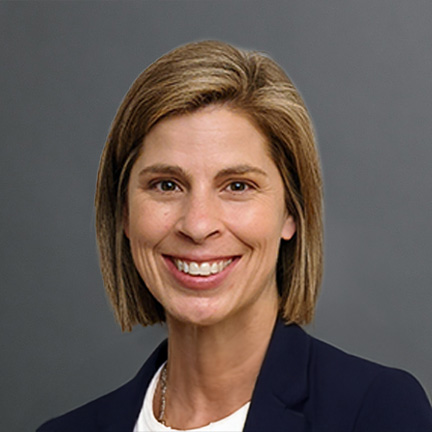
Christina Sims
Physical Therapist
Christina Sims is a Licensed Physical Therapist with years of experience helping patients recover from injury, improve movement, and enhance their quality of life. She is dedicated to delivering high-quality, evidence-based care that supports lasting improvement and independence. With her BLS and CPR certifications, Christina provides safe and effective therapy rooted in compassion and professional excellence. She takes a patient-centered approach to care, developing customized treatment plans that address each individual’s unique needs and goals.
Education
Masters in Physical Therapy | Maryville University of Saint Louis
Bachelor of Science | Maryville University of Saint Louis
Certifications
Licensed Physical Therapist BLS CPR
What Is Vestibular Therapy?
Vestibular therapy is a specialized form of physical therapy that treats dizziness, vertigo, and imbalance caused by problems in the vestibular system, the inner ear structures and brain pathways that sense motion and keep you oriented. When an inner ear crystal shifts out of place, an infection inflames the balance nerve, or a concussion disrupts the signals, the brain receives conflicting information about where you are in space, and the result is spinning, swaying, or a floor that never feels quite solid.
Treatment works because the brain can relearn. Guided exercises expose the system to the exact movements that provoke symptoms, in controlled doses, until the brain recalibrates and the dizziness fades. For positional vertigo, a hands-on repositioning maneuver often resolves the spinning in a small number of visits. Recovery timelines vary by diagnosis, though vestibular rehabilitation has strong clinical support for reducing dizziness and restoring steady balance.
Signs Vestibular Therapy Can Help
Dizziness that follows a clear pattern usually has a treatable cause. An evaluation is worth scheduling if you recognize:
- Spinning triggered by position changes. Rolling over in bed, looking up, or bending down sets off brief, intense vertigo, the classic signature of BPPV.
- Unsteadiness that follows you all day. A constant swaying or rocking sensation, or a floor that feels unreliable, points to a vestibular deficit rather than simple fatigue.
- Dizziness since a concussion or car accident. Head trauma commonly disturbs the vestibular system, and the symptoms rarely resolve by waiting.
- Motion sensitivity. Busy stores, scrolling screens, or riding in a car provokes queasiness or disorientation out of proportion to the movement.
- Falls or a new fear of falling. Catching yourself on furniture or avoiding stairs signals a balance system that needs retraining before a fall causes an injury.
Conditions Vestibular Rehabilitation Treats
Most vestibular disorders respond well to rehabilitation once the cause is identified. Conditions our therapists commonly treat include:
- BPPV (benign paroxysmal positional vertigo): loose inner ear crystals that trigger brief spinning with position changes, treated with repositioning maneuvers that often work within a few visits.
- Vestibular neuritis and labyrinthitis: inflammation of the inner ear or its nerve, usually after a viral illness, leaving lingering imbalance the brain needs help compensating for.
- Post-concussion dizziness: vestibular symptoms that persist after a head injury, treated in coordination with our post-concussion recovery program.
- Vestibular migraine: episodes of dizziness linked to migraine activity, where therapy reduces motion sensitivity between episodes.
- Cervicogenic dizziness: unsteadiness driven by neck dysfunction, common after whiplash, treated through the neck and the balance system together.
- Age-related balance decline: the gradual unsteadiness that raises fall risk, addressed with progressive balance and strength training.


How Motion Rehab’s Vestibular Evaluation Finds the Cause
Dizziness is a symptom with many possible sources, and treatment only works when it targets the right one. Your first visit sorts the cause from the noise:
Positional Testing
Gaze and Eye-Movement Assessment
Balance and Gait Testing
Coordinated Specialist Input
Vestibular Therapy Treatments We Use
Canalith Repositioning Maneuvers
For BPPV, a precise sequence of head and body positions guides displaced inner ear crystals back where they belong. Many patients feel a marked difference within one to three sessions.
Gaze Stabilization Exercises
Progressive head-movement drills retrain the reflex that keeps your vision steady while you move, so turning your head stops blurring or tilting the world.
Habituation Training
Repeated, graded exposure to the specific motions that provoke your symptoms teaches the brain to stop overreacting to them. Symptoms fade as the nervous system recalibrates.
Balance and Fall-Prevention Training
Standing, stepping, and walking challenges rebuild steadiness across the situations daily life actually demands: uneven ground, dim light, turning while carrying something.
Key Benefits at Motion Rehab

Third-Party Liability Billing

Most Insurance Accepted

Same-Week Appointments

Network Imaging Coordination
What to Expect During Vestibular Therapy
Vestibular exercises are designed to provoke mild symptoms, because controlled exposure is what drives the recalibration. Early sessions can leave you briefly dizzier than when you arrived, and your therapist doses the work carefully so the reaction stays short and manageable. Week by week, the same exercise provokes less. That shrinking reaction is the first thing to celebrate, because it means the system is recalibrating exactly as intended.
Home exercises carry more weight in vestibular rehab than in almost any other kind of physical therapy. The brain recalibrates through frequent, brief practice, so your therapist will send you home with short daily drills and adjust them at each visit as your tolerance climbs.
How to Prepare for a Vestibular Evaluation
- Arrange a ride to your first visit. Positional testing can stir up temporary dizziness, and having a driver removes the worry.
- Bring your medication list. Some medications suppress or mask vestibular symptoms, and your therapist needs the full picture to read the test results accurately.
- Track your episodes for a few days. When the dizziness hits, what you were doing, and how long it lasted are the most diagnostic details you can bring.
- Eat normally beforehand. Arriving hungry makes provoked dizziness feel worse than it needs to.
Insurance and Payment for Vestibular Therapy
Vestibular rehabilitation is billed as physical therapy, and Motion Rehab accepts most major insurance plans; our team verifies your specific benefits before the first visit. Georgia’s direct-access law means most patients can start without a physician referral, useful when vertigo strikes and you want answers this week rather than after a referral loop. When dizziness follows a car accident, our third-party liability billing lets eligible patients begin treatment while the claim is open, and our team handles the claim-side paperwork alongside your treatment.
Why Atlanta Chooses Motion Rehab for Vestibular Therapy
Finding vestibular rehabilitation usually means a long waitlist at a hospital program or a clinic across town. Motion Rehab put the specialty inside neighborhood clinics in Decatur, Marietta, Kennesaw, Buckhead, and seven other metro Atlanta communities, backed by an integrated network for the cases that need neurology or imaging. Patients whose dizziness traces back to a collision get physical therapy after a car accident and vestibular care from one team, on one plan. Find your nearest clinic on our locations page.
Explore More Physical Therapy Services at Motion Rehab
Coordinated rehab and third-party billing for collision injuries. Learn more



Vestibular Therapy FAQ
It retrains the system your body uses to stay balanced. Targeted exercises expose your brain to the movements that currently cause dizziness, in controlled doses, until it recalibrates and the symptoms fade. For positional vertigo, hands-on repositioning maneuvers move displaced inner ear crystals back into place.
Start Vestibular Therapy in Atlanta
Dizziness narrows a life quickly, and waiting rarely fixes it, because the brain recalibrates through guided practice rather than through time alone. Our clinicians treat movement itself as the medicine here, dosed by someone trained to read what your balance system is doing, until steadiness and the confidence that comes with it are back where they belong. Book a vestibular evaluation at the Motion Rehab clinic closest to you, or call (678) 247-0774, and Get Back in Motion.
GET IN TOUCH

-
 Phone (678) 247-0774
-
 Email info@motionrehabilitation.com
Call Us Today
(678) 247-0774