Post-Surgical Rehabilitation in Atlanta
Find the Best Post-Surgical Rehab Near You
Trusted Physical Therapy After Surgery in Atlanta
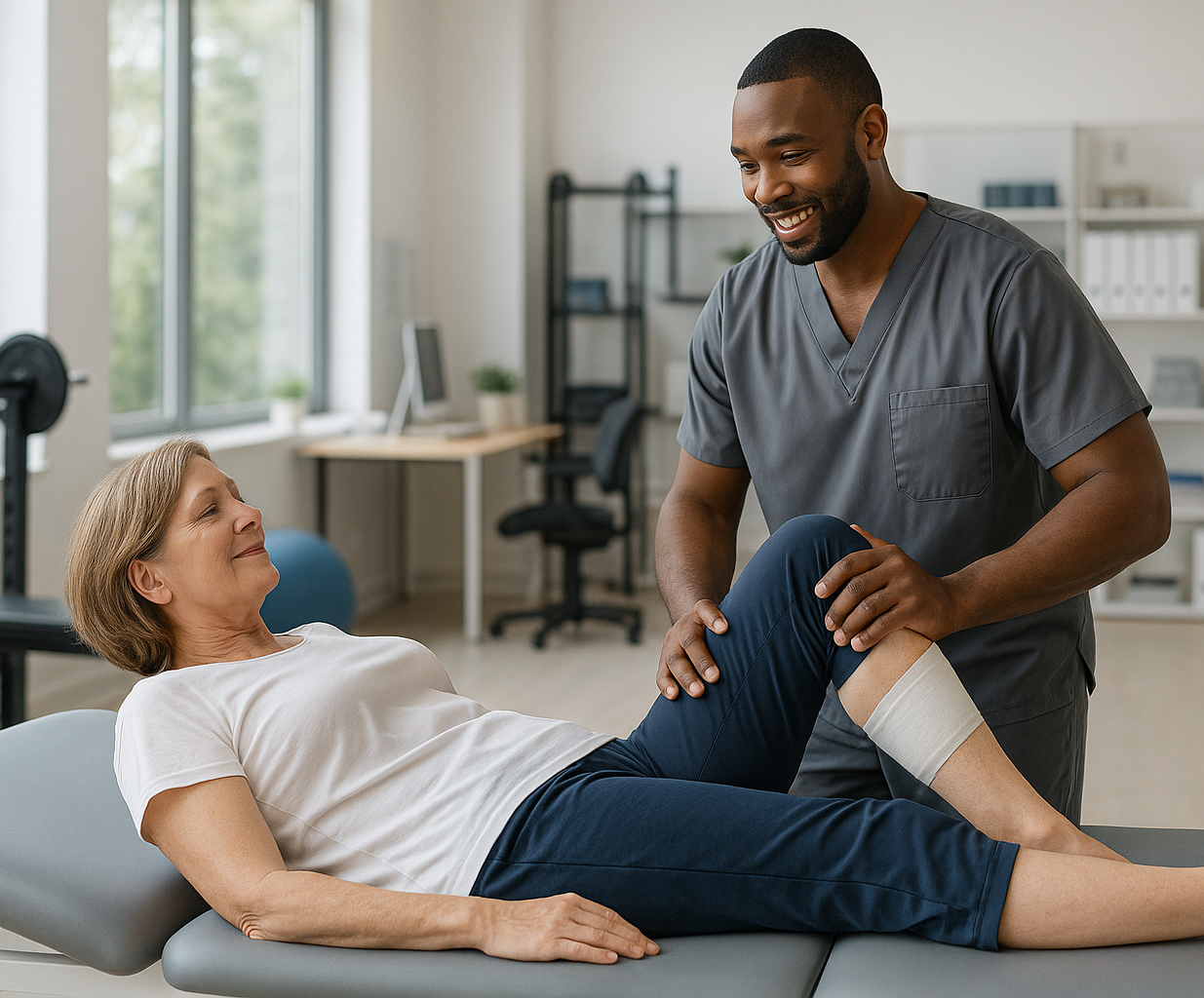
Surgery repairs the structure; rehabilitation restores the function. The weeks after an operation decide how much motion, strength, and confidence you actually get back, and Motion Rehab provides physical therapy after surgery across metro Atlanta with programs built directly on your surgeon’s protocol. From knee and hip replacements to rotator cuff repairs and spine procedures, your therapist progresses you through each healing phase at the pace your tissue can support.
You should never be the one carrying messages between your surgeon and your therapist. As part of an integrated orthopedic network, we work straight from the protocol, send your milestones back, and raise anything that needs a surgeon’s eye early, while it is still a small correction rather than a setback.
Meet Motion Rehab’s Post-Surgical Rehab Team
Post-operative care rewards experience with the specific procedure, because a spinal fusion, a rotator cuff repair, and a knee replacement each heal on a different clock with different rules. Our doctorate-level therapists and licensed assistants run protocol-driven recoveries every week:
- Knee and hip replacement progressions, from first steps to stairs and beyond
- ACL, meniscus, and ligament reconstruction rehab with return-to-sport testing
- Rotator cuff and shoulder repair programs that respect early healing restrictions
- Spine surgery recovery, rebuilding movement confidence after fusion or discectomy
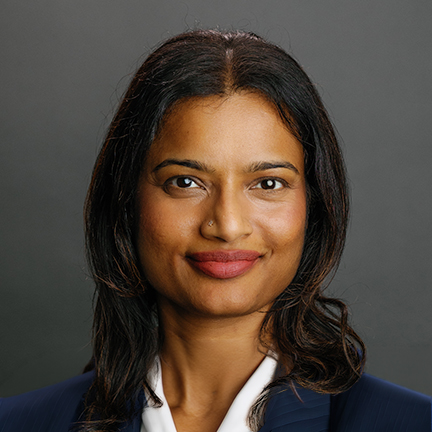
Dili Divakaran
Physical Therapist
Dili Divakaran is a Licensed Physical Therapist with more than 15 years of experience providing compassionate, evidence-based care across outpatient, orthopedic, geriatric, and home health settings. She is dedicated to helping patients recover from injury, restore function, and improve their quality of life through personalized treatment plans tailored to their individual goals. Dili combines extensive clinical expertise with a patient-centered approach, treating a wide range of conditions including motor vehicle accident injuries, workers' compensation cases, post-surgical rehabilitation, vestibular disorders, and concussions. Her experience in dry needling, balance and fall prevention, and multidisciplinary collaboration reflects her commitment to delivering comprehensive, high-quality care and achieving the best possible outcomes for every patient.
Education
Bachelor’s Degree, Physical Therapy | Mahatma Gandhi University, School of Medical Education
Certifications
Dry Needling DN-C
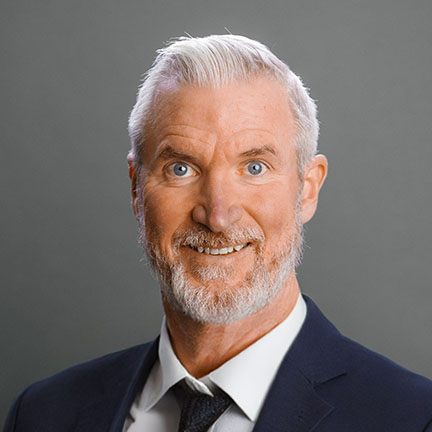
Mark Carter
Physical Therapist Assistant
Mark Carter is a Licensed Physical Therapist Assistant dedicated to providing high-quality, patient-centered care that promotes recovery, mobility, and independence. With hands-on clinical experience and a strong commitment to excellence, Mark supports each patient’s journey toward improved strength and function through evidence-based treatment and compassionate guidance. Known for his teamwork and attention to detail, Mark collaborates closely with physical therapists to ensure continuity of care and optimal outcomes. His dedication to patient success and passion for rehabilitation make him a valued member of the clinical team.
Education
Associate of Applied Science in Physical Therapist Assistant | Chattahoochee Technical College
Certifications
Licensed Physical Therapist Assistant
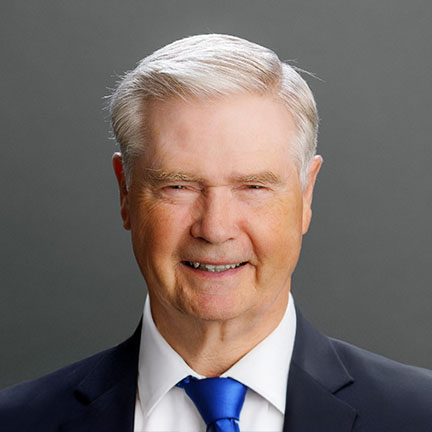
Art Peddle
Physical Therapist
Art Peddle is a Licensed Physical Therapist committed to helping patients achieve optimal movement, function, and independence through compassionate, evidence-based care. With a strong foundation in physical therapy, Art focuses on restoring mobility, reducing pain, and enhancing overall quality of life for every patient he serves. Throughout his career, Art has worked with a wide range of patient populations, developing personalized treatment plans that promote recovery and long-term results. His hands-on approach, clinical expertise, and dedication to individualized care reflect his commitment to professional excellence and outstanding patient outcomes.
Education
Bachelor of Science in Physical Therapy | Georgia State University Bachelor of Arts in Psychology | David Lipscomb University Associate of Arts and Science | Rochester College
Certifications
Licensed Physical Therapist
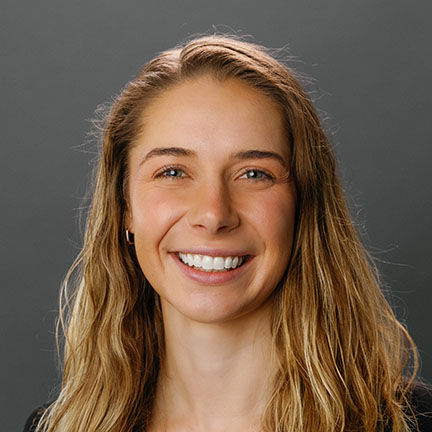
Anna Haley
Physical Therapist
Anna Haley is a Licensed Physical Therapist passionate about helping patients restore movement, reduce pain, and regain confidence in their physical abilities. She is committed to delivering personalized, evidence-based care that supports long-term recovery and empowers patients to take an active role in their health. With advanced clinical training and a strong foundation in orthopedic and neurological rehabilitation, Anna combines compassion and precision in her practice. Her patient-centered approach ensures every individual receives comprehensive care designed to achieve meaningful outcomes and improve quality of life.
Education
Doctor of Physical Therapy | High Honors | Philadelphia College of Osteopathic Medicine | May 2022 Bachelor of Arts in Health and Human Kinetics | Ohio Wesleyan University | May 2018
Certifications
Licensed Doctor of Physical Therapy

Nia Evans
Physical Therapist
Nia Evans is a Licensed Physical Therapist and certified Respiratory Therapist with extensive experience providing exceptional, patient-focused care. She is dedicated to helping individuals recover from injury, improve mobility, and enhance their overall quality of life. With advanced training and certifications in BLS (Basic Life Support), ACLS (Advanced Cardiovascular Life Support), PALS (Pediatric Advanced Life Support), and NRP (Neonatal Resuscitation Program), Nia brings a deep understanding of cardiopulmonary and physical rehabilitation to her practice. Her evidence-based approach and commitment to compassionate care ensure that each patient receives personalized treatment to achieve the best possible outcomes.
Education
Doctor of Physical Therapy | New York University Bachelor of Science in Cardiopulmonary Science / Respiratory Therapy | Georgia State University Associate of Arts in General Studies / Pre-Physical Therapy | University of North Florida
Certifications
Licensed Doctor of Physical Therapy Dry Needling Certified DN-C Certified Vestibular Therapist
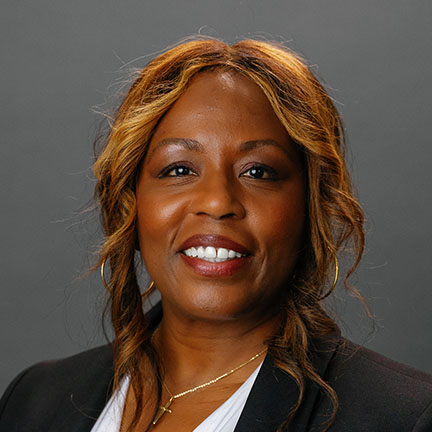
Glendora Hurst
Physical Therapist
Glendora Hurst is a Licensed Physical Therapist with many years of experience providing high-quality, individualized care. She is dedicated to helping patients restore movement, reduce pain, and achieve their optimal level of function through evidence-based, compassionate treatment. Glendora combines clinical expertise with a patient-first mindset, guiding individuals through recovery with personalized rehabilitation plans designed to meet their specific needs and goals. Her background as an APTA Clinical Instructor (2016) and advanced certification in Dry Needling (2016) reflect her commitment to professional growth and clinical excellence.
Education
Doctor of Physical Therapy | University of Montana, Missoula Bachelor of Science in Physical Therapy, Cum Laude | Howard University, Washington, D.C. Bachelor of Science in Natural Sciences, Magna Cum Laude | Oakwood University, Huntsville, Alabama
Certifications
Licensed Doctor of Physical Therapy APTA Clinical Instructor Dry Needling DN-C BLS
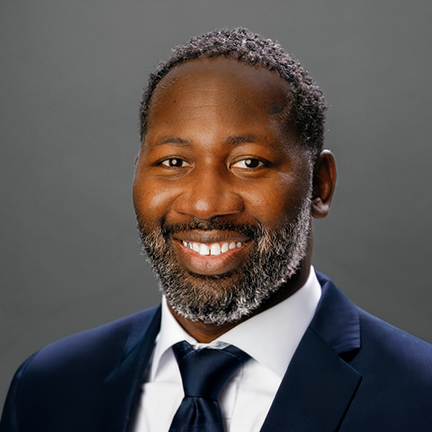
Angelo Goshen
Athletic Trainer Certified
Angelo Goshen is a Certified Athletic Trainer (ATC) with extensive experience in sports injury prevention and rehabilitation. He is dedicated to helping patients and athletes recover safely and build long-term strength and mobility through personalized care. With a strong background in Sports Administration and Athletic Training, he combines clinical expertise with a deep understanding of movement and performance. Angelo takes a collaborative, patient-centered approach, ensuring each treatment plan supports both physical recovery and overall well-being.
Education
Masters, Sports Administration | Henderson State University Bachelor of Science Athletic Training/Trainer | Henderson State University
Certifications
Certified Athletic Trainer
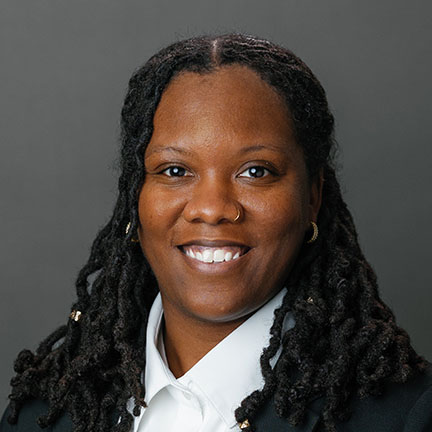
Andrienne Terrell
Athletic Trainer Certified
Andrienne Terrell is a Certified Athletic Trainer (ATC) dedicated to helping patients and athletes prevent injury, enhance performance, and recover safely. With a strong foundation in athletic training and advanced education in business administration and healthcare management, Andrienne brings both clinical expertise and strategic insight to every aspect of care. Her experience spans injury prevention, acute care, and rehabilitation, with a focus on delivering high-quality, evidence-based support to improve patient outcomes. Andrienne is passionate about empowering individuals to reach their full physical potential through education, teamwork, and compassionate care.
Education
Master of Business Administration – Health Care Administration/Management | Oklahoma State University Master’s Degree in Business Administration & Development | Tusculum University Bachelor of Science in Athletic Training | Greensboro College
Certifications
Certified Athletic Trainer
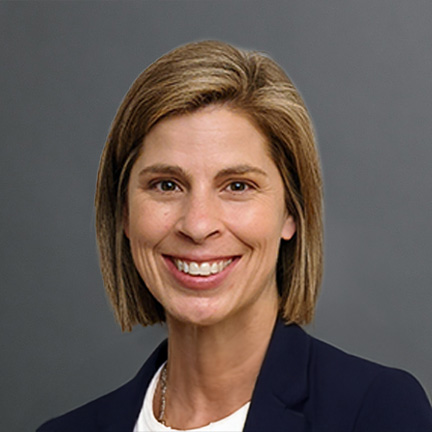
Christina Sims
Physical Therapist
Christina Sims is a Licensed Physical Therapist with years of experience helping patients recover from injury, improve movement, and enhance their quality of life. She is dedicated to delivering high-quality, evidence-based care that supports lasting improvement and independence. With her BLS and CPR certifications, Christina provides safe and effective therapy rooted in compassion and professional excellence. She takes a patient-centered approach to care, developing customized treatment plans that address each individual’s unique needs and goals.
Education
Masters in Physical Therapy | Maryville University of Saint Louis
Bachelor of Science | Maryville University of Saint Louis
Certifications
Licensed Physical Therapist BLS CPR
What Is Post-Surgical Rehabilitation?
Post-surgical rehabilitation is structured physical therapy that carries you from the operating room back to full function, in phases that match how tissue heals. Early sessions protect the repair while restoring safe motion and managing swelling. The middle phase rebuilds strength as the repair matures. The final phase retrains the demanding movements your life requires, whether the target is a return to running or simply kneeling in the garden without thinking about it.
The phases run on tissue-healing timelines, not the calendar on the wall, which is why a protocol matters. Progressing too fast risks the repair your surgeon just made; progressing too slowly leaves stiffness and weakness that get harder to reverse the longer they sit. A therapist’s job is to hold that line, advancing you exactly as fast as the healing allows.
When to Start Physical Therapy After Surgery
The right start date is the one on your surgeon’s protocol, and for many procedures it comes surprisingly fast. Knee replacements commonly begin therapy within days of the operation, because early motion is the best defense against the stiffness that most often complicates that recovery. Repairs that need protection, like some rotator cuff surgeries, start with a gentler passive phase before active work begins. Spine procedures vary the most, and the protocol governs.
Two timing rules hold across procedures. Delaying rehab past the protocol’s start date costs range of motion that must later be won back at greater effort. Starting before surgery is worth asking about: for many procedures, a short course of prehabilitation builds strength and movement patterns that make the post-operative weeks easier, and it gives your recovery a measured baseline to work back toward.
Surgeries We Provide Rehabilitation For
Recovery plans at Motion Rehab are built per procedure and per protocol. Operations we commonly rehab include:
- Total knee replacement: restoring bend, straightening, and walking tolerance while managing the swelling that governs early progress.
- Total hip replacement: rebuilding gait and hip strength while respecting any movement precautions your surgeon sets.
- ACL reconstruction: a months-long progression from quiet-knee basics through strength benchmarks to return-to-sport testing.
- Meniscus repair or removal: protecting the repair while restoring the knee’s tolerance for squatting, pivoting, and stairs.
- Rotator cuff repair: a staged shoulder program that moves from protected passive motion to active strength as the tendon heals.
- Shoulder replacement: restoring usable overhead function for reaching, lifting, and daily tasks.
- Spine surgery, including fusion and discectomy: graded return to bending, lifting, and endurance, with movement confidence rebuilt alongside the tissue.
- Foot, ankle, and fracture surgeries: restoring weight-bearing tolerance, balance, and push-off strength after hardware placement or repair.


How Motion Rehab Builds Your Post-Surgical Plan
Post-operative rehab starts with more inputs than a standard evaluation, and your first visit puts all of them on the table:
Surgeon’s Protocol Review
Motion and Swelling Baselines
Strength and Gait Assessment
Milestone Mapping
Phases of Post-Surgical Physical Therapy
Recovery moves through four stages, each one earning the next. Your therapist advances you as quickly as the healing safely allows, which is usually faster than patients expect once the early weeks are behind them.
Protection and Early Motion
The first weeks manage pain and swelling, protect the repair, and restore the safe range your protocol allows. Small gains here prevent the stiffness that complicates everything later.
Progressive Strengthening
As healing matures, loading begins in earnest: the operated area, the muscles around it, and the movement patterns that support it, advanced week by week against your baselines.
Functional Retraining
Strength becomes usable: walking without a hitch, stairs without a handrail, reaching overhead without guarding. Treatment rebuilds the specific movements your day demands.
Return-to-Activity Testing
For athletes and physically demanding jobs, objective testing confirms the operated side is ready before full activity resumes, because feeling ready and testing ready are not the same thing.
Key Benefits at Motion Rehab

Third-Party Liability Billing

Most Insurance Accepted

Same-Week Appointments

Network Imaging Coordination
What to Expect During Post-Surgical Recovery
Expect the cadence to change as you heal: many patients start at two to three visits per week in the early phase and taper as independence grows, with a home program carrying the work between sessions. Your therapist tracks every visit against the protocol milestones, so progress is measured rather than guessed, and setbacks get caught while they are still small.
Expect the timeline to be measured in months rather than weeks for the bigger procedures, knee replacement and ACL reconstruction among them. What consistent rehab reliably changes is the quality of the outcome: the motion you regain, the strength you keep, and how completely the operated side returns to being a body part you trust.
How to Prepare for Post-Surgical Rehab
- Bring your protocol and discharge paperwork. The operative report, rehab protocol, and any restrictions are the documents your entire plan is built on.
- Ask about prehabilitation. If your surgery is still ahead, an evaluation beforehand builds strength while you wait and gives your recovery a measured baseline.
- Dress for the operated area. Shorts for a knee, a loose shirt for a shoulder; your therapist needs to see and work around the incision site.
- Bring your assistive device. If you are using a walker, crutches, or a sling, bring it so your therapist can check the fit and coach you on using it well.
Insurance and Payment for Post-Surgical Rehab
Post-operative physical therapy is a standard covered benefit under most major plans, and the referral usually already exists as part of your surgical paperwork. Our team verifies your benefits before the first visit and, when a plan caps visits per year, builds the plan so the covered sessions land where they matter most, with a home program carrying the rest. Patients whose surgery followed a car accident can route eligible care through our third-party liability billing, with documentation coordinated alongside the claim.
Why Atlanta Chooses Motion Rehab After Surgery
Post-surgical rehab is a months-long commitment, and the clinic you can actually get to three times a week beats the famous one across town. Motion Rehab pairs neighborhood convenience in eleven metro Atlanta communities with the network integration that keeps your surgeon in the loop, and every plan stays with one therapist who knows your protocol cold. Patients recovering from orthopedic procedures often continue into our broader orthopedic and spinal rehabilitation program once the protocol phase ends. Our locations page shows which clinic sits closest to you.
Explore More Physical Therapy Services at Motion Rehab
Coordinated rehab and third-party billing for collision injuries. Learn more

Physical Therapy After Surgery FAQ
Whenever your surgeon’s protocol says, which for many procedures is within days. Knee replacements often begin almost immediately because early motion prevents stiffness, while protected repairs like some rotator cuff surgeries start with a gentler passive phase. Follow the protocol date; delay costs motion.
Start Post-Surgical Rehabilitation in Atlanta
You have already done the hard part by getting through the operation. What happens over the next several weeks decides how much strength, motion, and confidence you actually walk away with. Motion Rehab believes recovery is active, and that a protocol progressed by the same skilled therapist, visit after visit, is what turns a successful surgery into a shoulder or knee you never think about again. Bring us your protocol and we will build the plan around it. Call (678) 247-0774 to schedule your first post-surgical visit, and Get Back in Motion.
GET IN TOUCH

-
 Phone (678) 247-0774
-
 Email info@motionrehabilitation.com
Call Us Today
(678) 247-0774