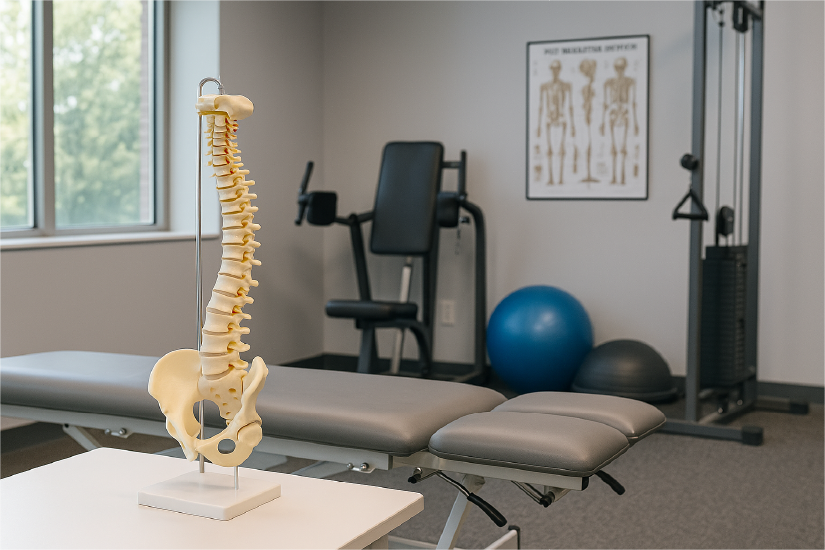
Orthopedic Physical Therapy in Atlanta
Find the Best Orthopedic Physical Therapy Near You
Trusted Orthopedic Rehab Clinics in Atlanta
Motion Rehab provides orthopedic and spinal rehabilitation for injuries of the bones, joints, muscles, ligaments, and spine, from a shoulder that will not lift overhead to back pain that has outlasted every home remedy. Our doctorate-level physical therapists evaluate how your whole body moves, identify what is driving the pain, and build a progressive plan to correct it. With eleven clinics across metro Atlanta, expert orthopedic physical therapy stays close to where you live and work.
As part of an integrated orthopedic and injury care network, our therapists can coordinate with orthopedic specialists, neurologists, and imaging when your recovery calls for more than rehab alone. You get one connected plan instead of a stack of referrals, and treatment that adjusts as your body responds.
Meet Motion Rehab’s Orthopedic Rehab Team
Your program is designed and led by a licensed physical therapist, most holding the Doctor of Physical Therapy degree, and supported by licensed physical therapist assistants. Many of our clinicians focus their caseload on specific regions and recovery types, so your plan reflects experience with your kind of injury:
- Spine-focused therapists for neck pain, low back pain, and disc-related symptoms
- Shoulder and upper-extremity specialists for rotator cuff injuries and post-immobilization stiffness
- Hip, knee, foot, and ankle specialists for joint pain, instability, and sports injuries
- Clinicians experienced in accident recovery, where multiple injuries often overlap

Dili Divakaran
Physical Therapist
Dili Divakaran is a Licensed Physical Therapist with more than 15 years of experience providing compassionate, evidence-based care across outpatient, orthopedic, geriatric, and home health settings. She is dedicated to helping patients recover from injury, restore function, and improve their quality of life through personalized treatment plans tailored to their individual goals. Dili combines extensive clinical expertise with a patient-centered approach, treating a wide range of conditions including motor vehicle accident injuries, workers' compensation cases, post-surgical rehabilitation, vestibular disorders, and concussions. Her experience in dry needling, balance and fall prevention, and multidisciplinary collaboration reflects her commitment to delivering comprehensive, high-quality care and achieving the best possible outcomes for every patient.
Education
Bachelor’s Degree, Physical Therapy | Mahatma Gandhi University, School of Medical Education
Certifications
Dry Needling DN-C
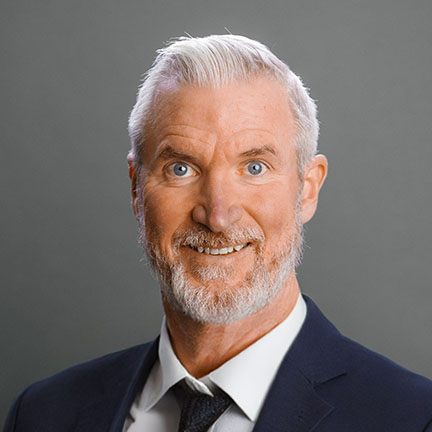
Mark Carter
Physical Therapist Assistant
Mark Carter is a Licensed Physical Therapist Assistant dedicated to providing high-quality, patient-centered care that promotes recovery, mobility, and independence. With hands-on clinical experience and a strong commitment to excellence, Mark supports each patient’s journey toward improved strength and function through evidence-based treatment and compassionate guidance. Known for his teamwork and attention to detail, Mark collaborates closely with physical therapists to ensure continuity of care and optimal outcomes. His dedication to patient success and passion for rehabilitation make him a valued member of the clinical team.
Education
Associate of Applied Science in Physical Therapist Assistant | Chattahoochee Technical College
Certifications
Licensed Physical Therapist Assistant
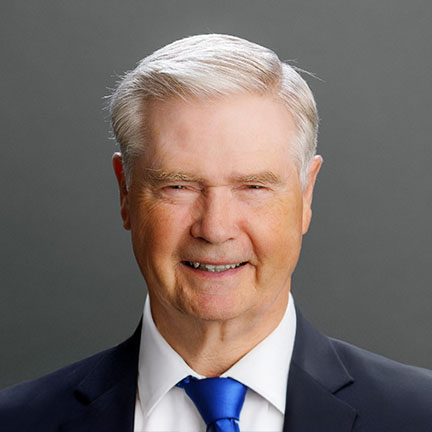
Art Peddle
Physical Therapist
Art Peddle is a Licensed Physical Therapist committed to helping patients achieve optimal movement, function, and independence through compassionate, evidence-based care. With a strong foundation in physical therapy, Art focuses on restoring mobility, reducing pain, and enhancing overall quality of life for every patient he serves. Throughout his career, Art has worked with a wide range of patient populations, developing personalized treatment plans that promote recovery and long-term results. His hands-on approach, clinical expertise, and dedication to individualized care reflect his commitment to professional excellence and outstanding patient outcomes.
Education
Bachelor of Science in Physical Therapy | Georgia State University Bachelor of Arts in Psychology | David Lipscomb University Associate of Arts and Science | Rochester College
Certifications
Licensed Physical Therapist

Anna Haley
Physical Therapist
Anna Haley is a Licensed Physical Therapist passionate about helping patients restore movement, reduce pain, and regain confidence in their physical abilities. She is committed to delivering personalized, evidence-based care that supports long-term recovery and empowers patients to take an active role in their health. With advanced clinical training and a strong foundation in orthopedic and neurological rehabilitation, Anna combines compassion and precision in her practice. Her patient-centered approach ensures every individual receives comprehensive care designed to achieve meaningful outcomes and improve quality of life.
Education
Doctor of Physical Therapy | High Honors | Philadelphia College of Osteopathic Medicine | May 2022 Bachelor of Arts in Health and Human Kinetics | Ohio Wesleyan University | May 2018
Certifications
Licensed Doctor of Physical Therapy

Nia Evans
Physical Therapist
Nia Evans is a Licensed Physical Therapist and certified Respiratory Therapist with extensive experience providing exceptional, patient-focused care. She is dedicated to helping individuals recover from injury, improve mobility, and enhance their overall quality of life. With advanced training and certifications in BLS (Basic Life Support), ACLS (Advanced Cardiovascular Life Support), PALS (Pediatric Advanced Life Support), and NRP (Neonatal Resuscitation Program), Nia brings a deep understanding of cardiopulmonary and physical rehabilitation to her practice. Her evidence-based approach and commitment to compassionate care ensure that each patient receives personalized treatment to achieve the best possible outcomes.
Education
Doctor of Physical Therapy | New York University Bachelor of Science in Cardiopulmonary Science / Respiratory Therapy | Georgia State University Associate of Arts in General Studies / Pre-Physical Therapy | University of North Florida
Certifications
Licensed Doctor of Physical Therapy Dry Needling Certified DN-C Certified Vestibular Therapist
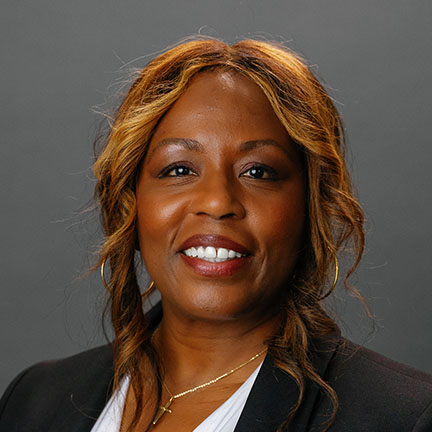
Glendora Hurst
Physical Therapist
Glendora Hurst is a Licensed Physical Therapist with many years of experience providing high-quality, individualized care. She is dedicated to helping patients restore movement, reduce pain, and achieve their optimal level of function through evidence-based, compassionate treatment. Glendora combines clinical expertise with a patient-first mindset, guiding individuals through recovery with personalized rehabilitation plans designed to meet their specific needs and goals. Her background as an APTA Clinical Instructor (2016) and advanced certification in Dry Needling (2016) reflect her commitment to professional growth and clinical excellence.
Education
Doctor of Physical Therapy | University of Montana, Missoula Bachelor of Science in Physical Therapy, Cum Laude | Howard University, Washington, D.C. Bachelor of Science in Natural Sciences, Magna Cum Laude | Oakwood University, Huntsville, Alabama
Certifications
Licensed Doctor of Physical Therapy APTA Clinical Instructor Dry Needling DN-C BLS
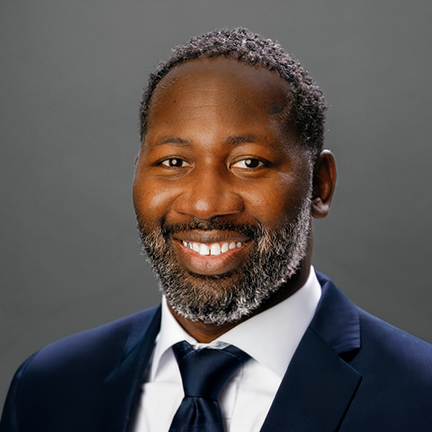
Angelo Goshen
Athletic Trainer Certified
Angelo Goshen is a Certified Athletic Trainer (ATC) with extensive experience in sports injury prevention and rehabilitation. He is dedicated to helping patients and athletes recover safely and build long-term strength and mobility through personalized care. With a strong background in Sports Administration and Athletic Training, he combines clinical expertise with a deep understanding of movement and performance. Angelo takes a collaborative, patient-centered approach, ensuring each treatment plan supports both physical recovery and overall well-being.
Education
Masters, Sports Administration | Henderson State University Bachelor of Science Athletic Training/Trainer | Henderson State University
Certifications
Certified Athletic Trainer
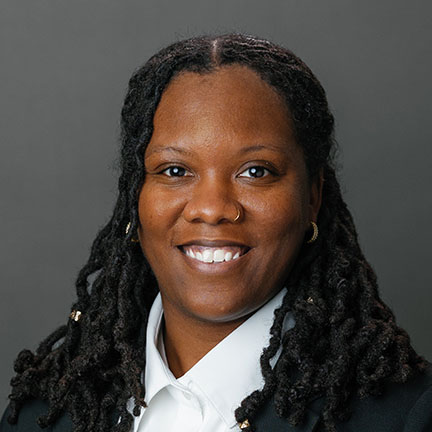
Andrienne Terrell
Athletic Trainer Certified
Andrienne Terrell is a Certified Athletic Trainer (ATC) dedicated to helping patients and athletes prevent injury, enhance performance, and recover safely. With a strong foundation in athletic training and advanced education in business administration and healthcare management, Andrienne brings both clinical expertise and strategic insight to every aspect of care. Her experience spans injury prevention, acute care, and rehabilitation, with a focus on delivering high-quality, evidence-based support to improve patient outcomes. Andrienne is passionate about empowering individuals to reach their full physical potential through education, teamwork, and compassionate care.
Education
Master of Business Administration – Health Care Administration/Management | Oklahoma State University Master’s Degree in Business Administration & Development | Tusculum University Bachelor of Science in Athletic Training | Greensboro College
Certifications
Certified Athletic Trainer
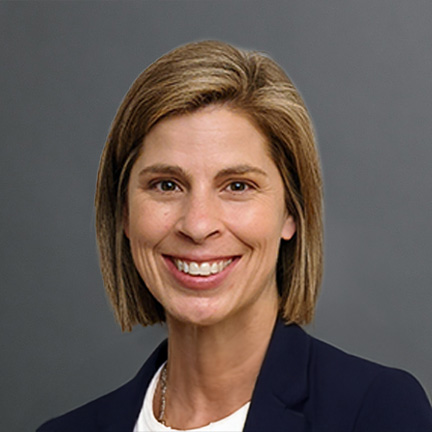
Christina Sims
Physical Therapist
Christina Sims is a Licensed Physical Therapist with years of experience helping patients recover from injury, improve movement, and enhance their quality of life. She is dedicated to delivering high-quality, evidence-based care that supports lasting improvement and independence. With her BLS and CPR certifications, Christina provides safe and effective therapy rooted in compassion and professional excellence. She takes a patient-centered approach to care, developing customized treatment plans that address each individual’s unique needs and goals.
Education
Masters in Physical Therapy | Maryville University of Saint Louis
Bachelor of Science | Maryville University of Saint Louis
Certifications
Licensed Physical Therapist BLS CPR
What Is Orthopedic Physical Therapy?
Orthopedic physical therapy treats problems of the musculoskeletal system, the bones, joints, muscles, tendons, and ligaments that produce every movement you make. When one of those structures is injured, weakened by surgery, or worn down over time, the body compensates, and the compensation often creates as much trouble as the original injury.
Treatment works by restoring the three things injury takes away: motion, strength, and control. Your therapist combines hands-on manual therapy with a progressive exercise program, advancing the work as tissue heals and capacity returns. Research consistently supports early, active rehabilitation over rest alone for most orthopedic conditions, and our approach reflects it: the right movement, introduced at the right time, is treatment.
Signs You May Need Orthopedic Physical Therapy
Most aches resolve on their own within a week or two, but a few patterns mean the problem needs more than rest. An evaluation is worth scheduling if you notice:
- Pain that has stopped improving on its own. Discomfort that lingers past a few weeks usually has a mechanical driver that rest will not fix.
- Stiffness or lost range of motion. Trouble bending, reaching, or rotating a joint often points to soft-tissue restriction or weakness that responds well to guided treatment.
- Weakness or instability. A knee that buckles on stairs or a shoulder that feels unreliable overhead signals a deficit rehab is built to address.
- Recurring flare-ups. An injury that keeps returning under load usually healed without regaining full strength or control.
- Pain after a car accident. Spine and joint injuries from a collision often surface days later and respond best to early evaluation.
Common Spine and Joint Conditions We Treat
Joint and spine problems are the most common reasons patients come to Motion Rehab, whether the cause is an injury, surgery, or years of gradual wear. Patients recovering from collisions frequently arrive with several conditions at once, and the plan accounts for all of them together.
Conditions our therapists commonly treat include:
- Neck and low back pain: the most frequent orthopedic complaints we see, often driven by disc, joint, or muscular problems that respond well to progressive rehab.
- Herniated and bulging discs: disc material pressing on nearby nerves, causing back or neck pain, numbness, or weakness that radiates into a limb.
- Sciatica: sharp, radiating pain down the leg from pressure on the sciatic nerve, frequently linked to a disc problem.
- Whiplash: neck injury from the rapid back-and-forth motion of a collision, a near-universal complaint among our car accident patients.
- Rotator cuff injuries and shoulder impingement: tears and irritation in the structures that lift and rotate the arm, limiting overhead reach.
- Tennis and golfer’s elbow: tendon overload at the elbow that makes gripping and lifting painful.
- Hip and knee osteoarthritis: the wear-and-tear breakdown of joint cartilage, where guided strengthening reliably reduces pain and improves function.
- Ligament sprains and muscle strains: overstretched or torn soft tissue that needs progressive loading to heal at full strength.
- Tendinopathy: chronic tendon pain from overuse, common in the shoulder, elbow, knee, and Achilles.
- Plantar fasciitis: heel and arch pain from an overloaded plantar fascia, most severe with the first steps of the day.
- Post-fracture and post-surgical stiffness: lost motion and strength after a bone heals or an operation is complete; care after an operation follows its own track through our post-surgical rehabilitation program.


How Motion Rehab’s Evaluation Guides Your Treatment Plan
Accurate treatment starts with an accurate picture of how you move, and your therapist builds that picture at the first visit. The findings become a plan with clear milestones, so you know what progress should look like at two weeks, six weeks, and beyond. Four assessments do most of the work:
Movement and Strength Testing
Hands-On Clinical Assessment
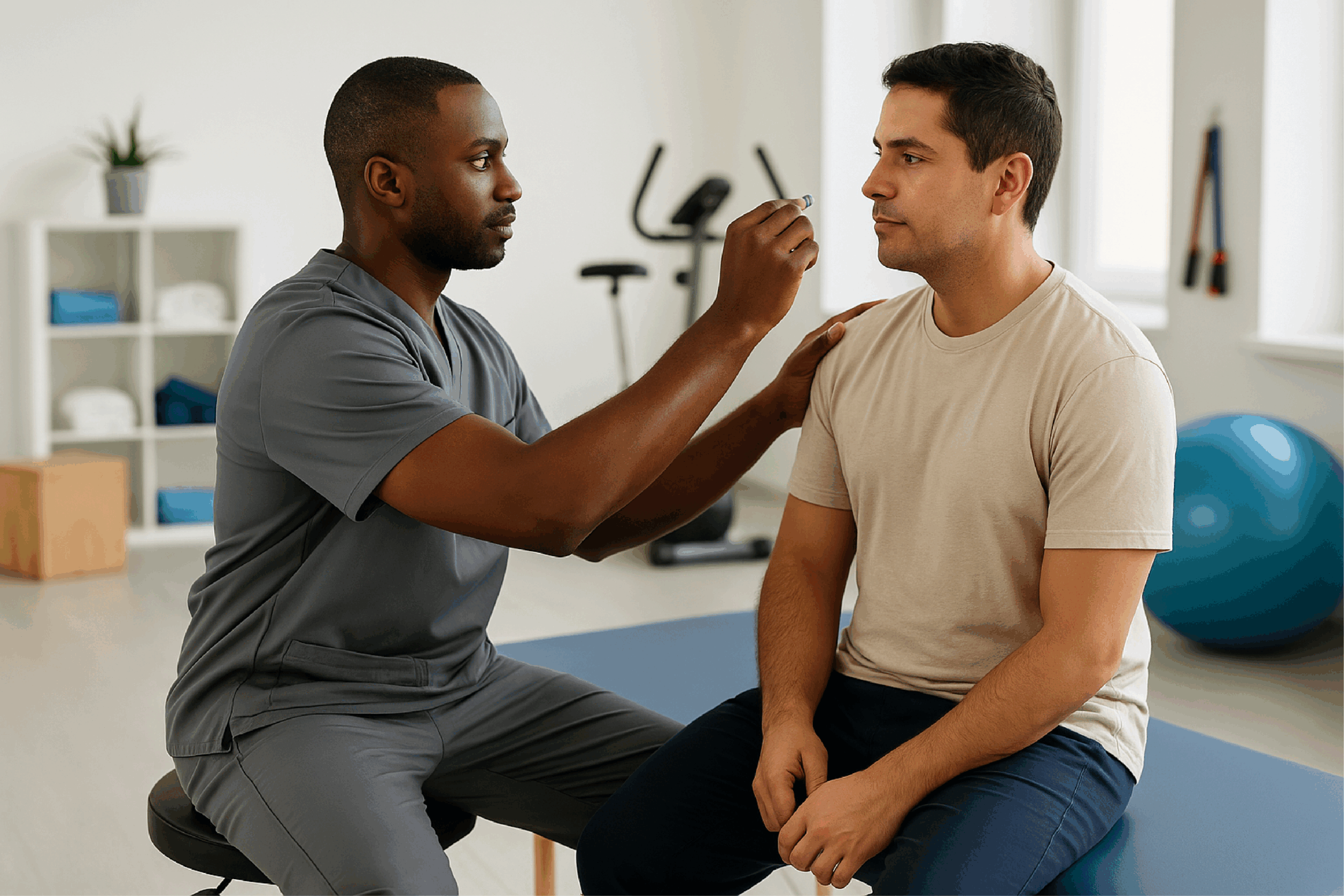
Balance and Vestibular Screening
Coordinated Imaging When Needed
Orthopedic Physical Therapy Treatments We Offer
Manual Therapy
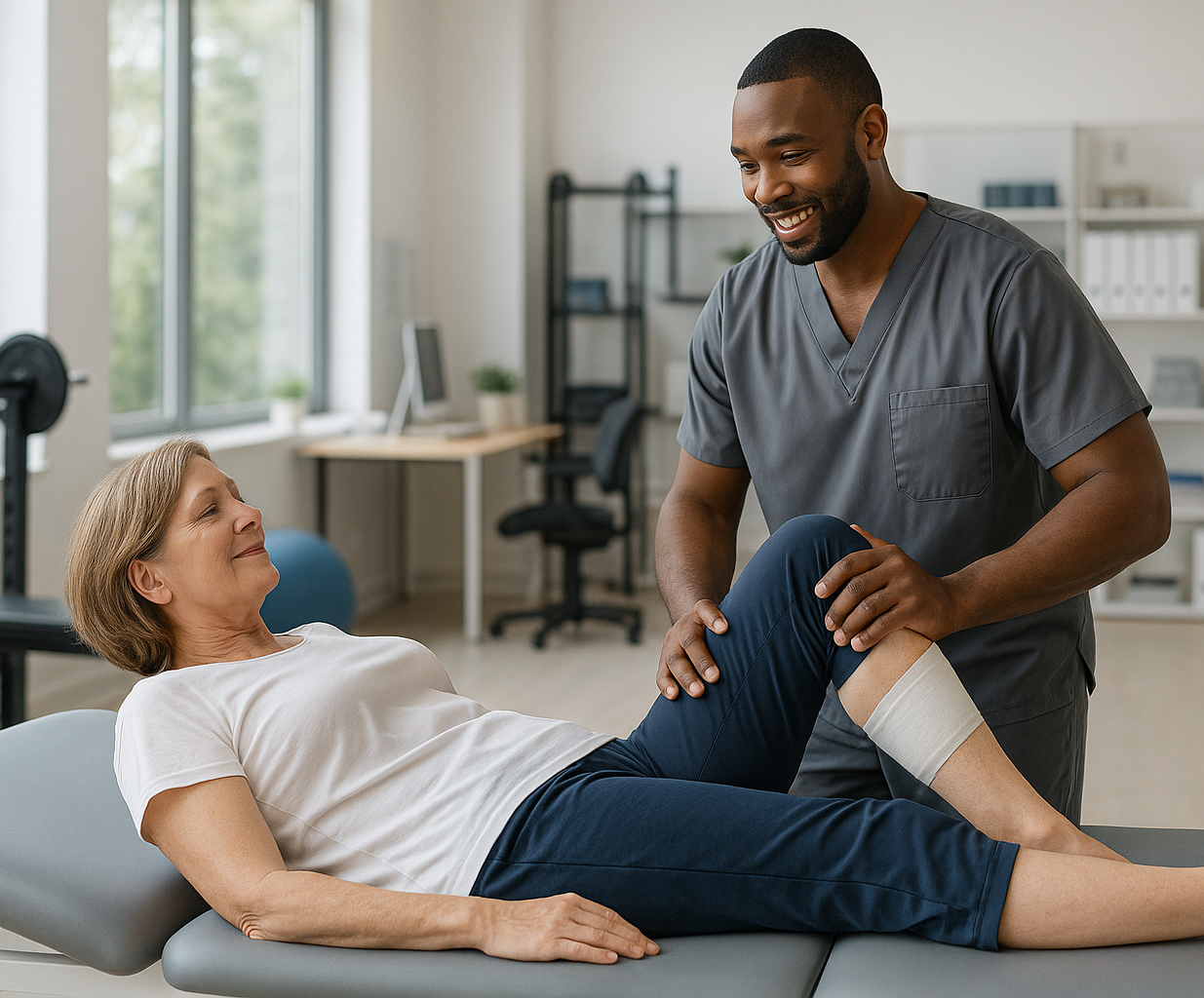
Hands-on techniques, including joint mobilization and soft-tissue work, reduce pain and restore the motion that exercise then makes permanent.
Therapeutic Exercise
A progressive program rebuilds strength and endurance in the injured region and the areas that support it, advancing week by week as your capacity returns.
Functional Movement Training
Squatting, lifting, reaching, climbing stairs: treatment retrains the specific movements your daily life demands, not just isolated muscles.
Return-to-Activity Programming
For athletes, active adults, and physically demanding jobs, the final phase bridges the gap between “feeling better” and being ready for full activity without re-injury.
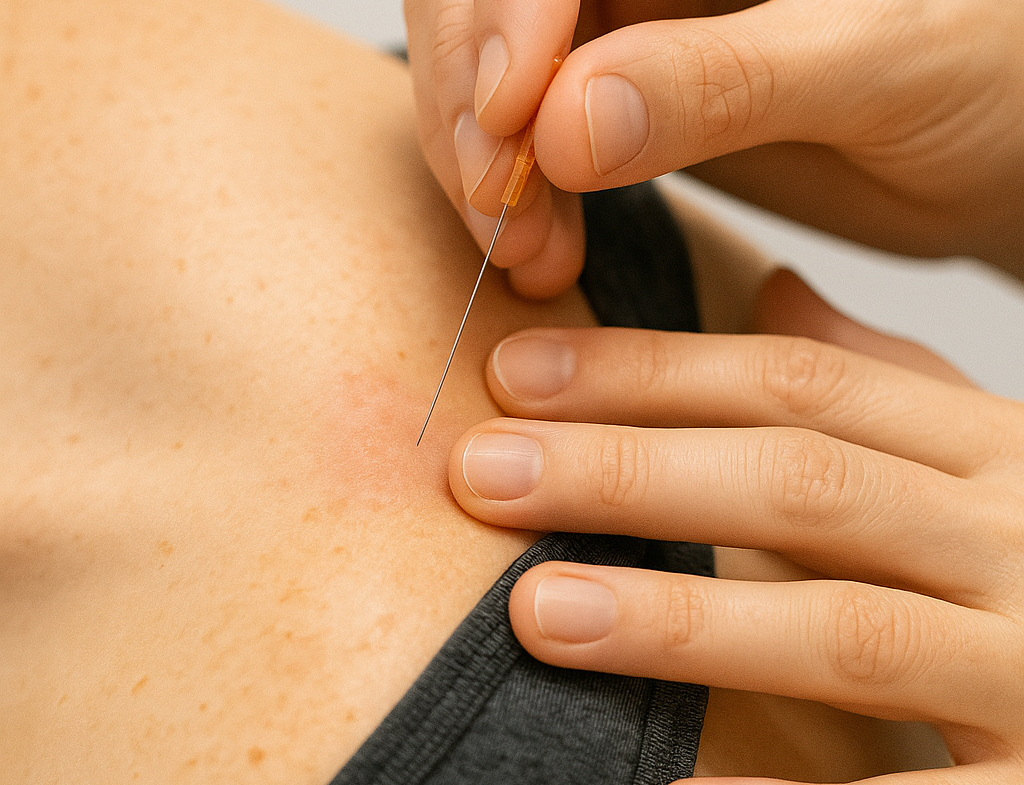
Certified clinicians may also incorporate dry needling when trigger-point tightness is limiting your progress.
Key Benefits at Motion Rehab

Third-Party Liability Billing

Most Insurance Accepted

Same-Week Appointments

Network Imaging Coordination
What to Expect During Orthopedic Rehab at Motion Rehab
Your care begins with the evaluation described above, and you usually leave the first visit with your initial exercises the same day. From there, most patients attend one to three sessions per week, each one-on-one with your therapist, who advances the program as your strength and tolerance improve rather than running you through a fixed sheet of exercises.
Progress gets measured against the baselines set at your evaluation, so both of you can see the trend rather than guess at it. As you approach your goals, sessions taper and your therapist transitions you to a home program built to keep the gains, along with clear guidance on returning to sport, work, or training.
How to Prepare for Your First Physical Therapy Visit
A little preparation makes your first visit more productive. Before your evaluation:
- Bring your records. Your insurance card, photo ID, and any imaging reports or physician notes related to the injury help your therapist start with the full picture.
- Wear clothes you can move in. Your evaluation includes movement testing, so dress as you would for light exercise, with access to the injured area.
- Know your story. When the pain started, what makes it better or worse, and what it is keeping you from doing are the most useful details you can share.
- Arrive a few minutes early. Intake paperwork is short, and finishing it before your slot keeps the full session for your evaluation.
Insurance and Payment for Physical Therapy
Motion Rehab accepts most major insurance plans, and our team verifies your benefits before treatment begins so costs never arrive as a surprise. For patients injured in car accidents, we handle third-party liability billing and document your care thoroughly for your claim; in eligible cases, treatment begins with no out-of-pocket cost because we bill the claim rather than you. Georgia’s direct-access law also means most patients can start evaluation and treatment without a physician referral, though some insurance plans still require one; we confirm which rules apply to you when you schedule.
Why Atlanta Chooses Motion Rehab for Orthopedic Rehab
Orthopedic rehabilitation works best when it is consistent, individualized, and easy to reach. Our clinics in Decatur, Marietta, Kennesaw, Buckhead, and seven other metro Atlanta communities put doctorate-level care close to home, and our network integration keeps specialists and imaging a coordinated step away instead of a cold referral. Every plan stays with one clinician who adjusts it as your recovery unfolds. Find the clinic nearest you on our locations page.
Explore More Physical Therapy Services at Motion Rehab
Coordinated rehab and third-party billing for collision injuries. Learn more

Orthopedic Physical Therapy FAQ
In most cases, no. Georgia is a direct-access state, so you can typically begin evaluation and treatment without a physician referral. Some insurance plans have their own referral requirements, and our team confirms yours before your first visit.
Start Your Recovery with Motion Rehab
Joint and spine injuries respond to skilled, progressive rehabilitation, and the sooner it starts, the shorter the road tends to be. Motion Rehab was built on the belief that recovery is active: the right movement, guided by the right clinician, is how strength, mobility, and confidence come back. Schedule your evaluation at the clinic nearest you or call (678) 247-0774, and Get Back in Motion.
GET IN TOUCH

-
 Phone (678) 247-0774
-
 Email info@motionrehabilitation.com
Call Us Today
(678) 247-0774