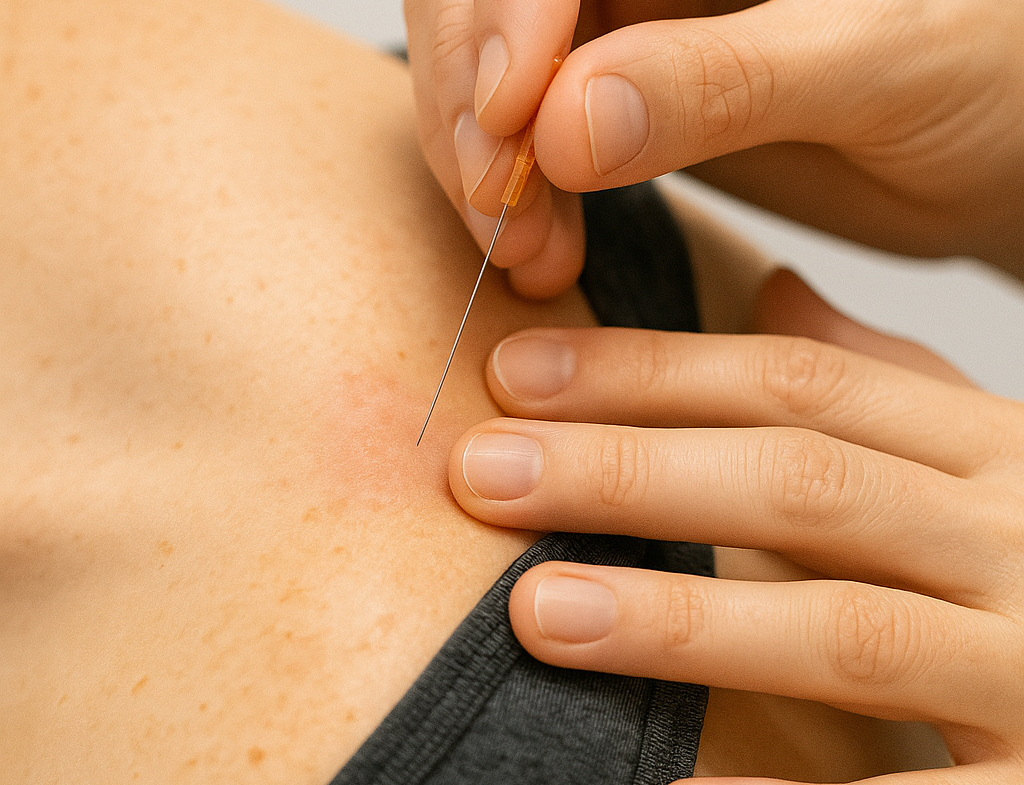
Dry Needling in Atlanta
Find the Best Dry Needling Near You
Certified Dry Needling Clinicians in Atlanta
Some muscle pain shrugs off stretching, massage, and rest because the problem is a trigger point: a tight, irritable knot of muscle fiber that keeps the whole muscle guarded and sore. Dry needling treats the knot directly. Motion Rehab offers dry needling at clinics across metro Atlanta, performed by physical therapists who hold specific certification in the technique and who fold it into a complete treatment plan rather than selling it as a standalone fix.
Paired with the right exercise progression, dry needling often unlocks progress that had stalled: the neck that would not turn, the calf that cramps every run, the low back that tightens by every afternoon. The needle releases the restriction; the rehab that follows teaches the muscle not to rebuild it.
Meet Motion Rehab’s Dry Needling Team
In Georgia, dry needling is performed by physical therapists who hold post-graduate certification in the technique. At Motion Rehab it stays in those same clinician hands from the first screening through your last follow-up, at clinics from Kennesaw and Marietta to Decatur and Buckhead:
- Certified clinicians who assess whether needling actually fits your case before any needle comes out
- Trigger-point expertise across the neck, shoulders, back, hips, and limbs
- Electrical stimulation needling for deeper or more stubborn restrictions
- Integration with your exercise plan, because the release only lasts when the cause is retrained

Dili Divakaran
Physical Therapist
Dili Divakaran is a Licensed Physical Therapist with more than 15 years of experience providing compassionate, evidence-based care across outpatient, orthopedic, geriatric, and home health settings. She is dedicated to helping patients recover from injury, restore function, and improve their quality of life through personalized treatment plans tailored to their individual goals. Dili combines extensive clinical expertise with a patient-centered approach, treating a wide range of conditions including motor vehicle accident injuries, workers' compensation cases, post-surgical rehabilitation, vestibular disorders, and concussions. Her experience in dry needling, balance and fall prevention, and multidisciplinary collaboration reflects her commitment to delivering comprehensive, high-quality care and achieving the best possible outcomes for every patient.
Education
Bachelor’s Degree, Physical Therapy | Mahatma Gandhi University, School of Medical Education
Certifications
Dry Needling DN-C
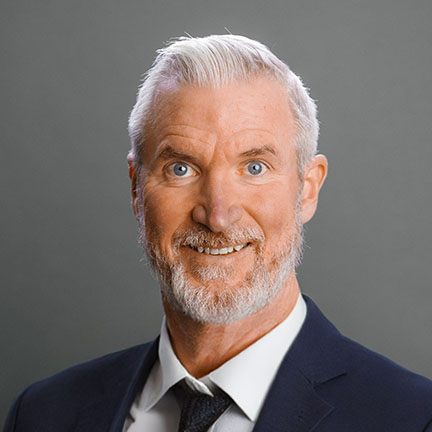
Mark Carter
Physical Therapist Assistant
Mark Carter is a Licensed Physical Therapist Assistant dedicated to providing high-quality, patient-centered care that promotes recovery, mobility, and independence. With hands-on clinical experience and a strong commitment to excellence, Mark supports each patient’s journey toward improved strength and function through evidence-based treatment and compassionate guidance. Known for his teamwork and attention to detail, Mark collaborates closely with physical therapists to ensure continuity of care and optimal outcomes. His dedication to patient success and passion for rehabilitation make him a valued member of the clinical team.
Education
Associate of Applied Science in Physical Therapist Assistant | Chattahoochee Technical College
Certifications
Licensed Physical Therapist Assistant
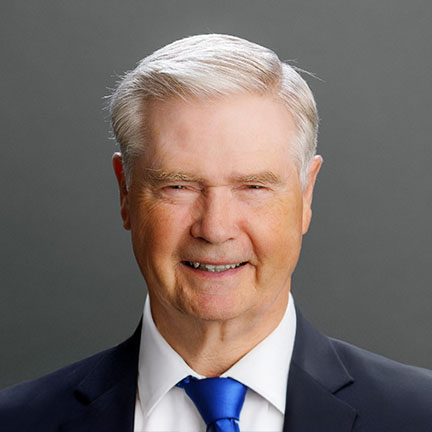
Art Peddle
Physical Therapist
Art Peddle is a Licensed Physical Therapist committed to helping patients achieve optimal movement, function, and independence through compassionate, evidence-based care. With a strong foundation in physical therapy, Art focuses on restoring mobility, reducing pain, and enhancing overall quality of life for every patient he serves. Throughout his career, Art has worked with a wide range of patient populations, developing personalized treatment plans that promote recovery and long-term results. His hands-on approach, clinical expertise, and dedication to individualized care reflect his commitment to professional excellence and outstanding patient outcomes.
Education
Bachelor of Science in Physical Therapy | Georgia State University Bachelor of Arts in Psychology | David Lipscomb University Associate of Arts and Science | Rochester College
Certifications
Licensed Physical Therapist
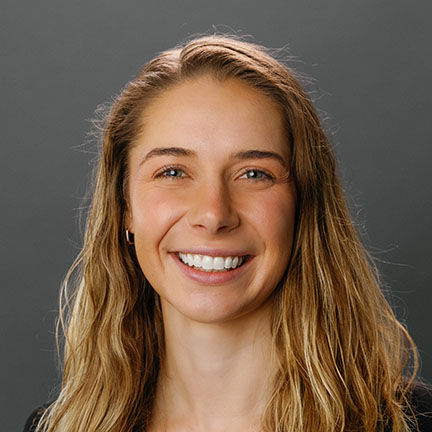
Anna Haley
Physical Therapist
Anna Haley is a Licensed Physical Therapist passionate about helping patients restore movement, reduce pain, and regain confidence in their physical abilities. She is committed to delivering personalized, evidence-based care that supports long-term recovery and empowers patients to take an active role in their health. With advanced clinical training and a strong foundation in orthopedic and neurological rehabilitation, Anna combines compassion and precision in her practice. Her patient-centered approach ensures every individual receives comprehensive care designed to achieve meaningful outcomes and improve quality of life.
Education
Doctor of Physical Therapy | High Honors | Philadelphia College of Osteopathic Medicine | May 2022 Bachelor of Arts in Health and Human Kinetics | Ohio Wesleyan University | May 2018
Certifications
Licensed Doctor of Physical Therapy

Nia Evans
Physical Therapist
Nia Evans is a Licensed Physical Therapist and certified Respiratory Therapist with extensive experience providing exceptional, patient-focused care. She is dedicated to helping individuals recover from injury, improve mobility, and enhance their overall quality of life. With advanced training and certifications in BLS (Basic Life Support), ACLS (Advanced Cardiovascular Life Support), PALS (Pediatric Advanced Life Support), and NRP (Neonatal Resuscitation Program), Nia brings a deep understanding of cardiopulmonary and physical rehabilitation to her practice. Her evidence-based approach and commitment to compassionate care ensure that each patient receives personalized treatment to achieve the best possible outcomes.
Education
Doctor of Physical Therapy | New York University Bachelor of Science in Cardiopulmonary Science / Respiratory Therapy | Georgia State University Associate of Arts in General Studies / Pre-Physical Therapy | University of North Florida
Certifications
Licensed Doctor of Physical Therapy Dry Needling Certified DN-C Certified Vestibular Therapist
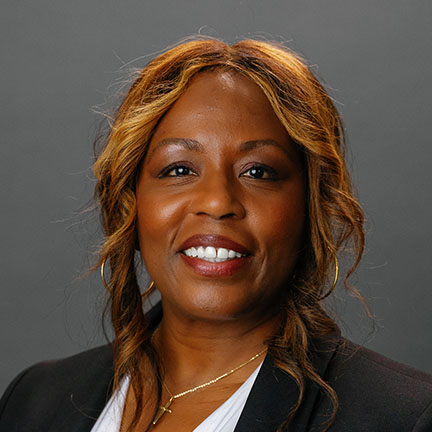
Glendora Hurst
Physical Therapist
Glendora Hurst is a Licensed Physical Therapist with many years of experience providing high-quality, individualized care. She is dedicated to helping patients restore movement, reduce pain, and achieve their optimal level of function through evidence-based, compassionate treatment. Glendora combines clinical expertise with a patient-first mindset, guiding individuals through recovery with personalized rehabilitation plans designed to meet their specific needs and goals. Her background as an APTA Clinical Instructor (2016) and advanced certification in Dry Needling (2016) reflect her commitment to professional growth and clinical excellence.
Education
Doctor of Physical Therapy | University of Montana, Missoula Bachelor of Science in Physical Therapy, Cum Laude | Howard University, Washington, D.C. Bachelor of Science in Natural Sciences, Magna Cum Laude | Oakwood University, Huntsville, Alabama
Certifications
Licensed Doctor of Physical Therapy APTA Clinical Instructor Dry Needling DN-C BLS
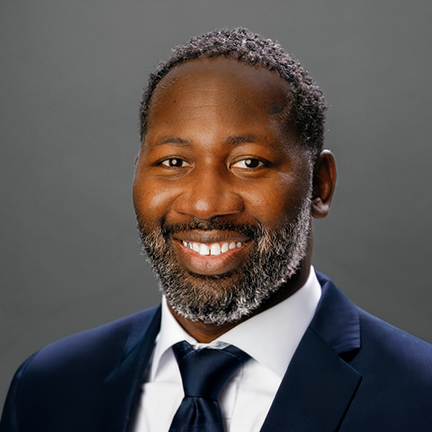
Angelo Goshen
Athletic Trainer Certified
Angelo Goshen is a Certified Athletic Trainer (ATC) with extensive experience in sports injury prevention and rehabilitation. He is dedicated to helping patients and athletes recover safely and build long-term strength and mobility through personalized care. With a strong background in Sports Administration and Athletic Training, he combines clinical expertise with a deep understanding of movement and performance. Angelo takes a collaborative, patient-centered approach, ensuring each treatment plan supports both physical recovery and overall well-being.
Education
Masters, Sports Administration | Henderson State University Bachelor of Science Athletic Training/Trainer | Henderson State University
Certifications
Certified Athletic Trainer
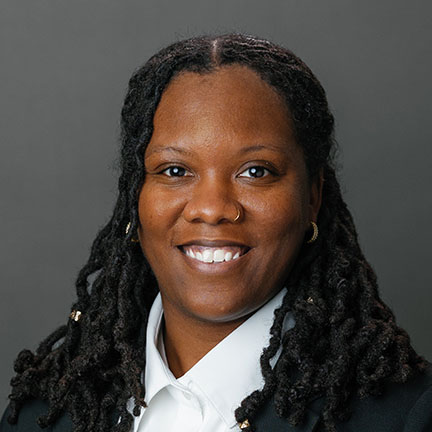
Andrienne Terrell
Athletic Trainer Certified
Andrienne Terrell is a Certified Athletic Trainer (ATC) dedicated to helping patients and athletes prevent injury, enhance performance, and recover safely. With a strong foundation in athletic training and advanced education in business administration and healthcare management, Andrienne brings both clinical expertise and strategic insight to every aspect of care. Her experience spans injury prevention, acute care, and rehabilitation, with a focus on delivering high-quality, evidence-based support to improve patient outcomes. Andrienne is passionate about empowering individuals to reach their full physical potential through education, teamwork, and compassionate care.
Education
Master of Business Administration – Health Care Administration/Management | Oklahoma State University Master’s Degree in Business Administration & Development | Tusculum University Bachelor of Science in Athletic Training | Greensboro College
Certifications
Certified Athletic Trainer
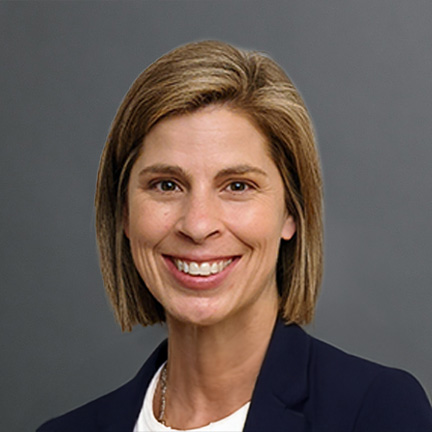
Christina Sims
Physical Therapist
Christina Sims is a Licensed Physical Therapist with years of experience helping patients recover from injury, improve movement, and enhance their quality of life. She is dedicated to delivering high-quality, evidence-based care that supports lasting improvement and independence. With her BLS and CPR certifications, Christina provides safe and effective therapy rooted in compassion and professional excellence. She takes a patient-centered approach to care, developing customized treatment plans that address each individual’s unique needs and goals.
Education
Masters in Physical Therapy | Maryville University of Saint Louis
Bachelor of Science | Maryville University of Saint Louis
Certifications
Licensed Physical Therapist BLS CPR
What Is Dry Needling?
Dry needling is a treatment in which a certified physical therapist inserts very thin, sterile filament needles into trigger points, the taut bands within a muscle that generate local and referred pain. The needle is “dry” because nothing is injected; the mechanical stimulus itself does the work, provoking a brief twitch response that releases the contracted fibers, improves local blood flow, and calms the irritated nerve endings that keep the muscle guarded.
It shares a tool with acupuncture and nothing else. Acupuncture comes from traditional Chinese medicine and places needles along meridian lines; dry needling is a Western, anatomy-based technique aimed at the specific muscle dysfunction found on your exam. At Motion Rehab it is one instrument inside a physical therapy plan, used when trigger points are the thing standing between you and progress.
What Dry Needling Helps With
Trigger points show up wherever muscles work hard or guard an injury. Dry needling earns its place most often for:
- Neck and shoulder tension: the knots between the shoulder blades and along the upper trap that desk work and stress keep reloading.
- Tension-type headaches: head pain referred from trigger points in the neck and shoulders, a pattern patients rarely suspect until the release changes it. Results vary by headache type.
- Low back tightness: guarded paraspinal and hip muscles that keep a back problem irritated after the original injury has calmed.
- Sciatica-related muscle guarding: deep hip muscles that clamp around an irritated sciatic nerve and add their own referred pain to the mix.
- Tennis and golfer’s elbow: forearm trigger points that keep gripping painful long after the tendon itself starts to heal.
- Plantar fasciitis: calf and foot restrictions that keep overloading the plantar fascia with every step.
- Post-injury and post-surgical tightness: muscles that learned to guard during recovery and never got the memo to relax.


How Motion Rehab Decides Dry Needling Is Right for You
A needle is never the first thing that happens at Motion Rehab. The evaluation decides whether needling belongs in your plan at all:
Trigger-Point Examination
Movement Screen
Candidacy and Safety Check
Response Tracking
What a Dry Needling Session Involves
The Needling Itself
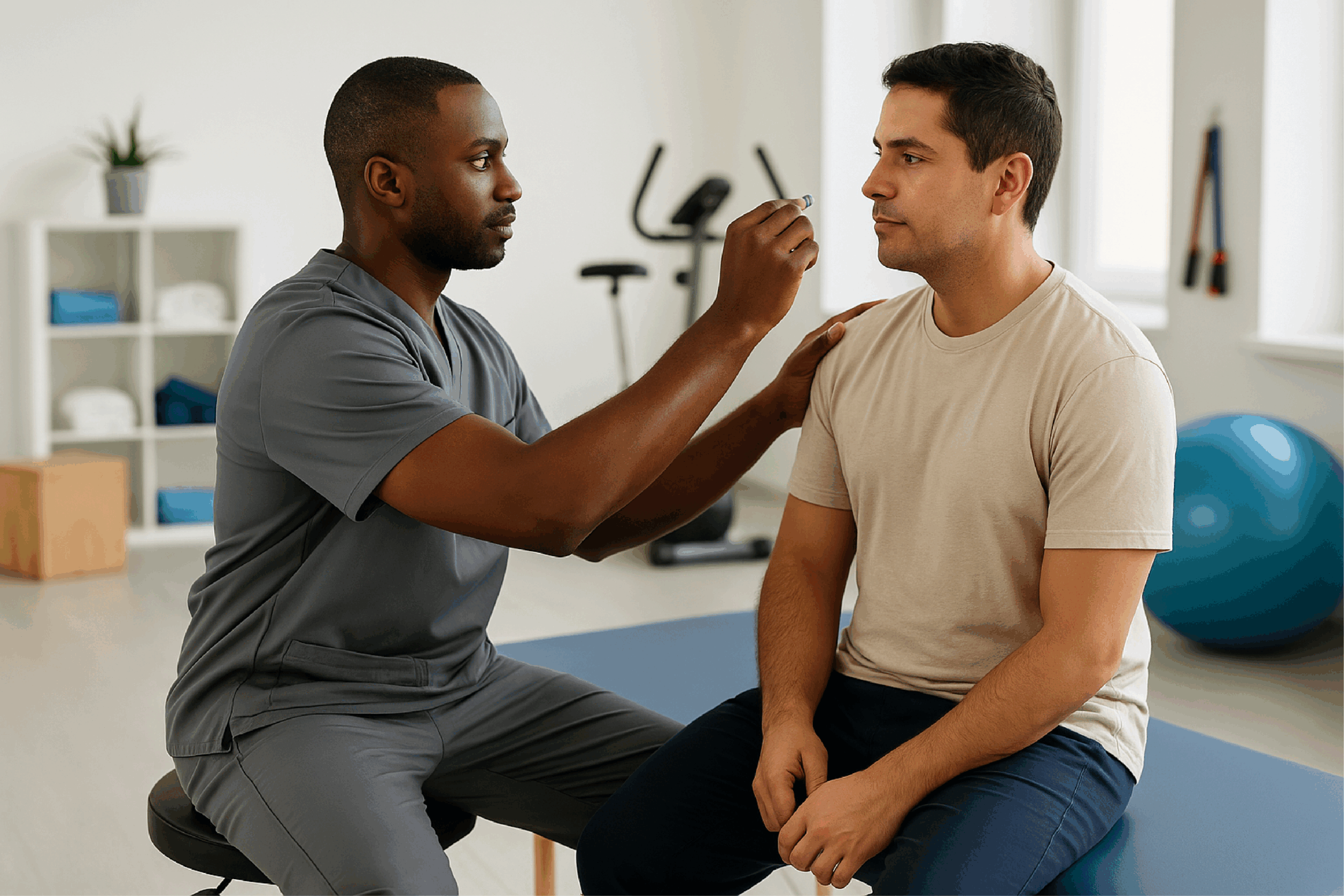
Your therapist isolates the trigger point and inserts the filament needle directly into it. You may feel a brief, deep ache or a muscle twitch, the sign the right spot released. Most placements last from a few seconds to a couple of minutes.
Electrical Stimulation When It Helps
For deeper or more stubborn restrictions, a gentle current through the needle amplifies the release. The sensation is a rhythmic tapping or flutter, and most patients find it easier than they expected.
The Movement That Follows
Needling opens a window; exercise walks through it. Sessions pair the release with targeted strengthening and movement retraining so the muscle rebuilds capacity instead of rebuilding the knot.
Frequency and Course
Needling is typically spaced across weekly or biweekly visits inside your broader plan. Many patients feel a difference within the first one to three sessions, and your therapist reassesses the approach if the response is not showing up.
Key Benefits at Motion Rehab

Third-Party Liability Billing

Most Insurance Accepted

Same-Week Appointments

Network Imaging Coordination
Dry Needling Side Effects and What to Expect Afterward
Does it hurt? Less than most patients brace for. The needles are far thinner than injection needles, and the twitch response is a strange sensation more than a painful one. Post-session soreness in the treated muscle is common for a day or two, similar to a hard workout, and warmth, light movement, and water all help it pass.
Side effects beyond that temporary soreness are uncommon when the technique is performed by certified clinicians: occasional small bruises, brief lightheadedness in some patients, and fatigue the rest of the day for a few. Serious complications are rare, and the safety screening at your evaluation exists to keep them that way.
How to Prepare for a Dry Needling Session
- Eat something beforehand. Treatment on an empty stomach is the most common reason patients feel lightheaded afterward.
- Hydrate before and after. Well-hydrated muscle tissue simply responds better, and water helps the post-session soreness resolve.
- Wear clothes that reach the muscle. Shorts for hip and leg work, a tank or loose sleeve for the neck and shoulder region.
- Plan a lighter day. Schedule hard workouts for the day after treatment, not the hours after it.
Dry Needling Cost and Insurance Coverage
Coverage for dry needling varies more than for standard physical therapy: some plans cover it as part of a PT visit, while others exclude the technique specifically. Rather than letting you find out on a bill, our team verifies exactly how your plan handles dry needling before your first session and explains any out-of-pocket cost up front. When needling is part of rehab after a car accident, it is documented and billed within the claim like the rest of your care.
Why Atlanta Chooses Motion Rehab for Dry Needling
Plenty of clinics advertise dry needling; fewer treat it as a clinical decision inside a real rehabilitation plan. At Motion Rehab the technique is delivered by certified physical therapists who found the trigger points on examination, know why the muscle overloaded in the first place, and pair every release with the retraining that keeps it released. Patients with joint and spine problems underneath the muscle tension move seamlessly into our orthopedic and spinal rehabilitation care, at the same clinic with the same team. Find yours on our locations page.
Explore More Physical Therapy Services at Motion Rehab
Coordinated rehab and third-party billing for collision injuries. Learn more


Dry Needling FAQ
Insertion is usually painless because the needles are hair-thin. The twitch response feels like a quick, deep cramp that releases immediately, and treated muscles are often sore for a day or two afterward, like the day after a hard workout.
Schedule Dry Needling in Atlanta
Muscle pain that survives stretching, massage, and rest is usually anchored by trigger points, and trigger points respond to treatment that reaches them directly. Motion Rehab pairs certified dry needling with the rehab that makes the release hold, because a knot that comes back was never really treated. Most patients feel the difference in the first few sessions, and keep it by finishing the plan. Call (678) 247-0774 or book an evaluation at your nearest Motion Rehab clinic, and Get Back in Motion.
GET IN TOUCH

-
 Phone (678) 247-0774
-
 Email info@motionrehabilitation.com
Call Us Today
(678) 247-0774